White Holes of Zalonia

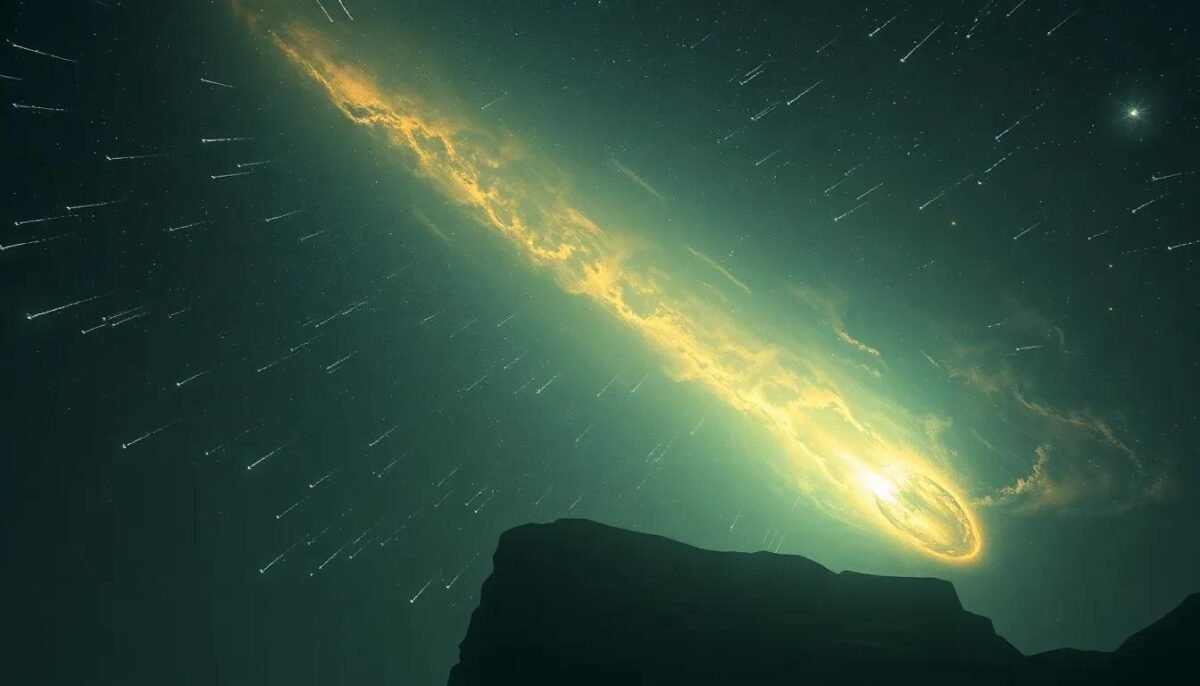
White holes are sometimes seen by the inhabitants of Zalonia. They appear as sudden explosions, and the medes don’t really understand them much. There is a science to it, though:

There are white holes found in space that create explosions and disappear immediately, kind of the opposite of black holes. From afar, White Holes look exactly like black holes. It is like a time reversal from a black hole. It is impossible to enter a white hole. Objects from a white hole can interact with objects on the outside, but nothing can interfere with the white hole. Only the Soul Chaser knows what they are. There is a theory that black holes turn into white holes when they die. This may happen when the black hole gets so small that it no longer obeys the common-sense rules of stars and billiard balls. Quantum randomness takes over and transforms the black hole into a white hole. Some think the white hole might explain the Big Bang.

There is also a theory that white holes are on the opposite side of a black hole. In other words, when something is sucked into a black hole, it explodes out from a white hole in a different part of the universe, or a parallel universe.

White holes could experience a belch. It is described as a black hole’s “time reversal,” a video of a black hole played backwards. Nothing can enter a white hole. Things can leave the white hole, but because nothing can get in, the interior is cut off from the universe’s past: No outside event will ever affect the inside. It would be like a singularity in the past that can affect everything in the outside. In a black hole, the outside universe can influence the inside of a black hole’s horizon, but the interior can’t affect the exterior. No one knows how a white hole might form. Playing a video backwards of a black hole doesn’t make physical sense.

If white holes did form, they probably wouldn’t exist for long. Any outgoing matter would collide with the matter in orbit, and the system would collapse into a black hole.

There is a question of what happens to the internal record when a black hole evaporates away? General relativity won’t let the information out, and quantum mechanics forbids its deletion.

Some think that a white hole is the death of a black hole, but that would violate the general relativity equations. Maybe the black hole grows so small that it no longer obeys the common-sense rules of stars and billiard balls. Quantum randomness takes over, and the black hole transforms into a white hole.

A while hole, similar to a mass to a human hair, wouldn’t have the gravitation of a black hole but would hold all the information swallowed in a previous life. Too small to attract orbiting matter, the white hole might remain stable enough to eventually spit out all the information accumulated by its forerunner. This means that white holes could dominate the universe one day.

The Big Bang’s explosion of matter and energy looks like potential white hole behavior. They are even mathematically identical at times.

White holes appear in the theory of eternal black holes. There are no observed physical processes through which a white hole could be formed. Supermassive black holes might be at the center of all galaxies, and Hawking and others have proposed that these supermassive black holes spawn a supermassive white hole. Hawking argued that the time reversal of a black hole in thermal equilibrium results in a white hole in thermal equilibrium (each absorbing and emitting energy to equivalent degrees).

White holes are predicted as part of a solution to the Einstein field equations known as the maximally extended version of the Schwarzschild metric, describing an eternal black hole with no charge and no rotation. Here, “maximally extended” refers to the idea that the spacetime should not have any “edges” for any possible trajectory of a free-falling particle (following a geodesic) in the space time, it should be possible to continue this path arbitrarily far into the particle’s future, unless the trajectory hits a gravitational singularity like the one at the center of the black hole’s interior. In order to satisfy this requirement, it turns out that in addition to the black hole interior region that particles enter when they fall through the event horizon from the outside, there must be a separate white hole interior region, which allows us to extrapolate the trajectories of particles that an outside observer sees rising up away from the event horizon. The Einstein-Rosen bridge can either connect two black hole event horizons in each universe (with points in the interior of the bridge being part of the black hole region of the spacetime) or two white hole event horizons in each universe (with points in the interior of the bridge being part of the white hole region). It is impossible to enter the bridge, though.

Here is a little for you science nerds:

Some researchers have proposed that when a black hole forms, a Big Bang may occur at the core/singularity, which would create a new universe that expands outside of the parent universe (Fecund universes).

A 2012 paper argues that the Big Bang itself is a white hole. It further suggests that the emergence of a white hole, which was named a “Small Bang”, is spontaneous—all the matter is ejected at a single pulse.
In 2014, the idea of the Big Bang being produced by a supermassive white hole explosion was explored in the framework of a five-dimensional vacuum by Madriz Aguilar, Moreno and Bellini

For white holes to exist, there can’t be a single speck of matter within the event horizon.

Loop quantum gravity

In theory, a black hole singularity would compress down until the smallest possible size predicted by physics. Then it would rebound as a white hole. But because of the severe time dilation effect around a black hole, this event would take billions of years for even the lowest mass ones to finally get around to popping.

WHAT WHITE HOLES ARE IN ZALONIA

  • White holes don’t just release matter…
  • They release possibilities, timelines, and broken pieces of reality

WHAT THEY ACTUALLY DO

1. Reality Spill Points

Effect:

White holes eject things that don’t belong

  • creatures from unknown realms
  • fragments of other timelines
  • objects that shouldn’t exist

2. Time Fracturing Zones

Effect:

Time becomes unstable near a white hole

  • moments repeat
  • people experience future memories
  • time speeds up or slows down

Danger:

Someone could:

  • age rapidly
  • relive the same moment endlessly

3. Memory and Identity Distortion

Effect:

White holes don’t just affect reality—they affect minds

  • people remember things that never happened
  • identities begin to blur
  • someone might “remember” another life

Creepy angle:

Two people might remember being the same person


4. Raw Magic Eruption

Effect:

White holes flood the world with unfiltered magic

  • spells become wildly powerful
  • magic mutates unpredictably

Danger:

  • magic users lose control
  • spells gain unintended effects

 5. World Alteration Events

Effect:

Land itself changes

  • forests grow overnight
  • mountains crack open
  • new ecosystems appear

👉 reality is rewritten locally

 6. “Observers” Are Drawn to Them

Effect:

White holes attract:

  • powerful beings
  • unknown watchers
  • possibly your gnonows

Lore idea:

Some entities don’t want the white holes to stay open


THE BIG RULE

White holes are unstable—and eventually collapse.

When They Collapse:

  • everything they released becomes unstable
  • creatures may vanish
  • people may disappear
  • entire areas may reset or distort

RARE EVENT: WHITE HOLE STORM

Multiple white holes appear at once:

  • reality breaks across regions
  • time fractures everywhere
  • magic becomes uncontrollable

This could be a major series-level event

Read More About White Holes

Sign up for my Newsletter Here

Creating Life – By Ralph Ellefson

The Art of World Building Workbook – By Ralph Ellefson

Fantasy World Building: A Guide To Developing Mythic Worlds and Legendary Creatures – By Mark Nelson

Support Me on Patreon

Comets of Zalonia


Like Earth, there are comets that pass by the skies seen from Aztharian. Some people believe that certain kinds of magic can be used when a comet is visible in the sky. There are certain magic spells that are related to certain comets, especially the ones that pass by more regularly. Here are the known comets and their purpose.

Zagarth

This comet passes by about every 83 years and remains in the sky and can be seen by the human naked eye for about 2 weeks. Species with stronger eye sight can see it for longer. It appears about 6 weeks when it comes to elves and about 12 weeks when it comes to the medes. It is believed that this comet increases psychic abilities and it is a good time to use the Mystic Prophecy cards.

Celestara’s Glimmer

Known for its radiant blue tail that lights up the night sky. It passes by every 233 years. The magical quality of this comet is Starlight Infusion, which temporarily enhances the caster’s magical abilities, making their spells more potent. The ritual is performed under the comet’s glow, the caster draws starlight into a crystal, which is then worn or held to channel the enhanced power. Celestara’s Glimmer: Appearing once every 233 years, it is said that those who make a wish upon Celestara’s Glimmer are granted clarity and vision for their future.

Frostfire Comet

Emits a shimmering, icy glow and is said to bring a chill wherever it passes. This comet comes around every 124 years. The type of magic used with this comet is called the Celestial Ward. It creates a protective barrier around a person or place, imbued with the comet’s energy. The ritual requires the caster to inscribe protective runes on the ground or on an object, invoking the comet’s name.

Dragon’s Breath Comet

Leaves a fiery trail and is associated with powerful elemental magic. This comet is the shortest one and comes around every 59 years. This comet wasn’t known until the Fifth Age, which is the only age that uses air, fire, water, earth, and spirit as the elements. Simple to very complex rituals can be performed when this comet comes around. Note:

Mystra’s Veil

Named after a legendary sorceress, this comet is said to veil the world in a mystical aura. The comet comes by every 147 years. This magic used with this comet is Astral Beacon:

Effect: Summons celestial beings or spirits to aid the caster. Ritual: Performed by lighting a special beacon or bonfire under the comet’s light, using specific herbs and incantations. Believed to be the manifestation of the sorceress Mystra’s power, this comet’s sighting is often accompanied by a surge in magical phenomena.

Glows with a golden light, believed to be a sign of divine favor. The comet comes around once every 401 years. and Rituals During Comet Sightings have to do with prosperity. However, one must approach the ritual in a certain way while facing the north and burning a green and brown candle. Magical Spells Seraph’s Wing.

Seraph’s Wing

A harbinger of hope, its golden light is seen as a divine blessing, and its arrival is celebrated with festivals and rituals of thanksgiving. Eclipse Enchantment Effect: Temporarily cloaks the caster or an object in shadow, rendering them invisible. Comes around every 72 years. Ritual: Must be cast when the comet is directly overhead, using a piece of obsidian and a reflective surface. Chrono

Shift Effect: Allows the caster to manipulate time slightly, either slowing it down or speeding it up. Comes around every 78 years. Ritual: Involves creating a timepiece infused with comet dust, which is used to channel the temporal magic.

Frostfire Comet Appearing during the coldest winters, it brings with it both destruction and renewal, as its icy flames cleanse the land. Usually, a destructive kind of magic comes from magic under this comet, which comes around every 90 years.

Dragon’s Breath Comet

Feared and revered, its appearance is often a sign of great change, marking the rise of new leaders or the fall of old empires. It orbits every 86 years and can be seen for over a week when it passes by. The magic used for this type of magic is generally dark and used on those who are under attack.

Like Earth, there are comets that pass by the skies seen from Aztharian. Some people believe that certain kinds of magic can be used when a comet is visible in the sky. There are certain magic spells that are related to certain comets, especially the ones that pass by more regularly. Here are the known comets and their purpose.

Zagarth

This comet passes by about every 83 years and remains in the sky and can be seen by the human naked eye for about 2 weeks. Species with stronger eye sight can see it for longer. It appears about 6 weeks when it comes to elves and about 12 weeks when it comes to the medes. It is believed that this comet increases psychic abilities and it is a good time to use the Mystic Prophecy cards.

Celestara’s Glimmer:

Known for its radiant blue tail that lights up the night sky. It passes by every 233 years. The magical quality of this comet is Starlight Infusion, which temporarily enhances the caster’s magical abilities, making their spells more potent. The ritual is performed under the comet’s glow, the caster draws starlight into a crystal, which is then worn or held to channel the enhanced power.

Celestara’s Glimmer: Appearing once every 233 years, it is said that those who make a wish upon Celestara’s Glimmer are granted clarity and vision for their future.

Frostfire Comet

Emits a shimmering, icy glow and is said to bring a chill wherever it passes. This comet comes around every 124 years. The type of magic used with this comet is called the Celestial Ward. It creates a protective barrier around a person or place, imbued with the comet’s energy. The ritual requires the caster to inscribe protective runes on the ground or on an object, invoking the comet’s name.

Dragon’s Breath Comet:

Leaves a fiery trail and is associated with powerful elemental magic. This comet is the shortest one and comes around every 59 years. This comet wasn’t known until the Fifth Age, which is the only age that uses air, fire, water, earth, and spirit as the elements. Simple to very complex rituals can be performed when this comet comes around. Note: Perhaps Xandria uses this magic in the fourth book.

Mystra’s Veil

Named after a legendary sorceress, this comet is said to veil the world in a mystical aura. The comet comes by every 147 years. This magic used with this comet is Astral Beacon: Effect: Summons celestial beings or spirits to aid the caster. Ritual: Performed by lighting a special beacon or bonfire under the comet’s light, using specific herbs and incantations. Believed to be the manifestation of the sorceress Mystra’s power, this comet’s sighting is often accompanied by a surge in magical phenomena.

Seraph’s Wing

Glows with a golden light, believed to be a sign of divine favor. The comet comes around once every 401 years. Magical Spells and Rituals During Comet Sightings have to do with prosperity. However, one must approach the ritual in a certain way while facing the north and burning a green and brown candle.

Seraph’s Wing: A harbinger of hope, its golden light is seen as a divine blessing, and its arrival is celebrated with festivals and rituals of thanksgiving.

Eclipse Enchantment

Effect: Temporarily cloaks the caster or an object in shadow, rendering them invisible. Comes around every 72 years. Ritual: Must be cast when the comet is directly overhead, using a piece of obsidian and a reflective surface.

Chrono Shift

Effect: Allows the caster to manipulate time slightly, either slowing it down or speeding it up. Comes around every 78 years. Ritual: Involves creating a timepiece infused with comet dust, which is used to channel the temporal magic.

Frostfire Comet

Appearing during the coldest winters, it brings with it both destruction and renewal, as its icy flames cleanse the land. Usually, a destructive kind of magic comes from magic under this comet, which comes around every 90 years.

Dragon’s Breath Comet

Feared and revered, its appearance is often a sign of great change, marking the rise of new leaders or the fall of old empires. It orbits every 86 years and can be seen for over a week when it passes by. The magic used for this type of magic is generally dark and used on those who are under attack.

Introduction to the Fantasy and Science Realm


Introduction to the Fantasy and Science Realm
Image by JCK.H from Pixabay

Introduction to the Fantasy and Science Realm

Here is an Introduction to the Fantasy and Science Realm. In the vast canvas of fantasy literature, world-building stands as the cornerstone.  This cornerstone breathes life into tales of wonder and adventure. It’s the process that shapes realms of magic and mystery.  The only limit is the creator’s imagination.

The Scale and Terrain of New Worlds

The genesis of crafting a fantasy universe begins with envisioning its scale and terrain. Does it mirror the familiar landscapes of Earth, or does it defy the mundane, stretching into the realms of the unfathomable? Aztharian, for instance, emerges as a testament to the latter. It is a realm where the laws of physics intertwine with the threads of magic to create a tapestry of wonder. The decision between creating worlds with earthly familiarity or alien landscapes sets the stage for narrative possibilities. These possibilities influence everything from the stories that unfold to the characters that inhabit these realms.

The Role of Outer Space

In Aztharian, the cosmos plays a pivotal role, not merely as a backdrop but as a character in its own right. The night sky, adorned with nine Skygleams, serves as more than just a celestial spectacle; it’s a canvas that holds the secrets of the universe. These bright, low-gravity spheres form constellations unknown to Earth, guiding the fates of those below. The presence of three moons orbiting Aztharian introduces a complex layer of cultural and mystical significance, influencing the tides of destiny and the ebb and flow of magical energies.

Delving into Cosmic Laws

When constructing a fantasy world, considering the foundational laws that govern its existence is crucial. The mass of your planet, for instance, directly influences its gravity. Then gravity affects everything from the architecture of civilizations to the physiology of its inhabitants. In Aztharian, the adherence to physical laws similar to our own anchors the fantastical elements in a sense of realism. This attempts to make the world more immersive and believable.

Inhabitants of the Universe

Central to any world are its inhabitants. The decision of who dominates the landscape—be it humans, mythical creatures, or entirely new species—shapes the social and political fabric of the world. Azarthian is a melting pot of diversity. It is home to seven articulate species, each with its culture, intellect, and lifespan. This diversity enriches the narrative, offering a plethora of perspectives and interactions that drive the story forward.
Crafting Otherworldly Settings

The physical environment of a fantasy world, from its mountains and deserts to realms inspired by the planets of our solar system, sets the stage for adventure. Azarthian’s landscapes are a blend of Earth’s geophysics and fantastical elements. This offers settings that range from the grounded to the miraculous. The Celestial Realm, a sky-borne domain accessible through magical shortcuts, exemplifies the boundless creativity that fantasy world-building affords.

Astrophysical Phenomena and Interstellar Life

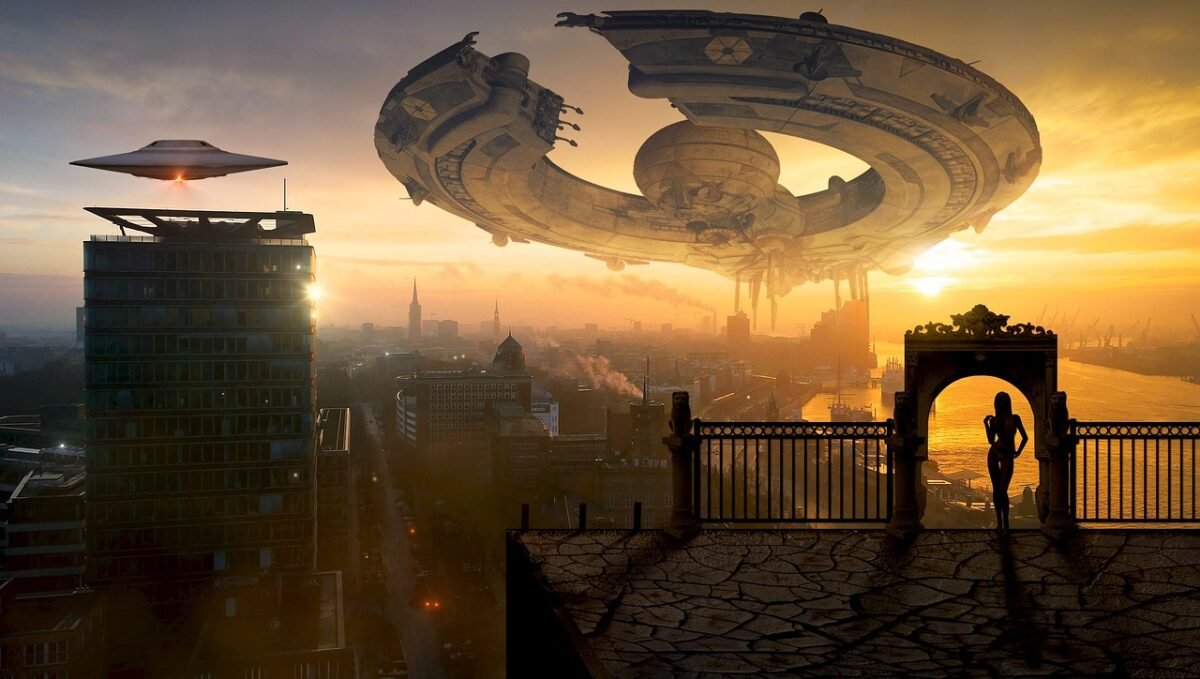
The exploration of space in fantasy worlds often introduces astrophysical phenomena that challenge our understanding of the universe. Azarthian’s sky is a testament to such creativity, featuring white holes and hidden wormholes that connect it to alien life and distant planets. These elements not only expand the geographical boundaries of the narrative but also its thematic depth, exploring concepts of connection, isolation, and the unknown.

Conclusion

The Art of World-Building in Fantasy Science Literature

As we continue to explore Azarthian in future blog posts, we invite readers to join us on this journey of discovery. World-building, at its core, is an act of creation that transcends the boundaries of imagination, offering a gateway to worlds untold. Azarthian, with its rich tapestry of celestial wonders, diverse species, and magical realms, serves as a beacon for aspiring world-builders, illustrating the limitless possibilities that await when we dare to dream.

Welcome aboard the voyage to Azarthian, where the art of fantasy world-building unfolds in all its glory.

Sign up for my Newsletter on the right side

Books to Read(Affiliate Links)

Creating Life – By Ralph Ellefson

The Art of World Building Workbook – By Ralph Ellefson

Fantasy World Building: A Guide To Developing Mythic Worlds and Legendary Creatures – By Mark Nelson

Support Me on Patreon

Fantasy Science World Building Introduction

Welcome to the Wondrous World of Science Fantasy World Building!

Hello, fellow dreamers, creators, and world-builders! Welcome to Nate Foy’s Fantasy blog, a sanctuary where imagination meets science to craft the most mesmerizing realms you’ve ever ventured into. Whether you’re an aspiring writer, a seasoned world-builder, or simply a fan of fantasy, this blog aims to be your ultimate guide in creating worlds that are not just magical but also scientifically plausible.

Why Science Fantasy World-Building?

Fantasy world-building is an art and a science. It’s the canvas where we paint dragons soaring through crystalline skies; enchanted forests whisper secrets and civilizations of mythical beings thrive. But have you ever wondered how these fantastical elements interact with the laws of physics, astronomy, geology, and biology? That’s where this blog comes in. We’ll delve into the nitty-gritty of how to make your world not just fantastical but also believable.

What to Expect?

Here, we’ll explore a plethora of topics that will elevate your world-building skills to new heights:

Physics in Fantasy: How do the laws of physics bend when magic comes into play? What happens to gravity in a world with floating islands?

Astronomical Wonders: From designing celestial bodies to understanding the significance of cosmic events, we’ll make your world’s sky as intriguing as its land.

Geological Marvels: Learn how to create landscapes that are as diverse as they are magical. Think enchanted forests, volcanic terrains, and more!
Species and Ecology: Crafting the flora, fauna, and sentient beings that inhabit your world is no small feat. We’ll discuss how to make them biologically plausible yet utterly captivating.

However, with science fantasy, you can have an old-fashioned world full of swords, mythological creatures, etc. There can be people who live like they are in the 1800s but simultaneously have aliens and other science fiction creatures in their world.

Why Should You Listen to Me?

As a fiction author with a penchant for speculative fiction, I’ve spent years crafting my own science fantasy world. And now, I want to share all these insights with you. Each blog post will offer not only theoretical knowledge but also practical examples from my own world-building journey. I have spent a lot of time building my world and still have a long way to go. However, I have studied the idea of creating a science fantasy world.

Join the Adventure into the art of Science Fantasy World Building!

So, if you’re ready to embark on this exciting journey, make sure to subscribe and never miss an update. Together, we’ll explore, create, and, most importantly, dream. Because in fantasy world-building, the only limit is your imagination.

Welcome aboard, and let the world-building begin!

Sign up for my Newsletter on the right side

Books to Read(Affiliate Links)

Creating Life – By Ralph Ellefson

The Art of World Building Workbook – By Ralph Ellefson

Fantasy World Building: A Guide To Developing Mythic Worlds and Legendary Creatures – By Mark Nelson

Support Me on Patreon