Important Stars of Zalonia

Sign up for my newsletter on the right

Get Curse of Kredaria For Free

Support Me on Patreon
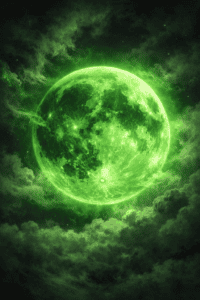
  • There is no Northern star like we have.
  • They are used to navigate, especially by the quintum when they are at sea.
  • The closest star is 3 light-years away
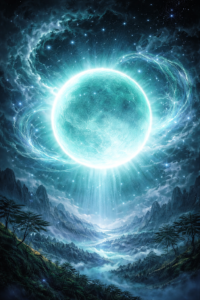
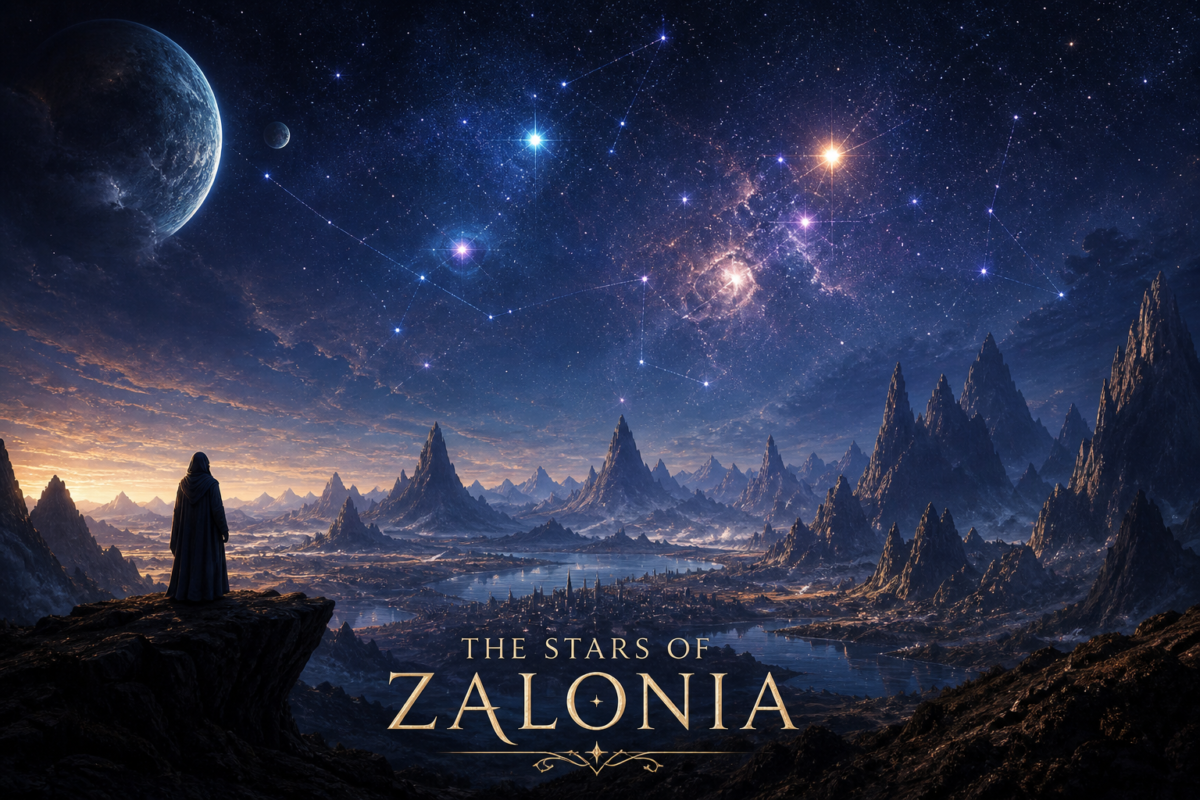
  • When it comes to stars, they look similar to those in our world, except for the constellations, which are made of non-star material

Arcanis

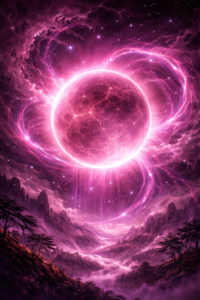
Purpose: The Star of Magic

Description: Arcanis is a brilliant, deep violet star that pulses with magical energy. It serves as a focal point for all magical spells and rituals, especially those that require tapping into raw magical power. During certain times of the year, when Arcanis is at its zenith, magic users find their abilities greatly enhanced, and it’s a prime time for casting powerful spells or creating magical artifacts.

2. Solara

Purpose: The Star of Healing

Description: A warm, golden star that radiates a soothing light, Solara is revered as the source of all healing magic. It is believed that its rays can mend wounds, cure diseases, and restore vitality. Temples dedicated to healing often align their structures to catch the first light of Solara, and healers draw upon its energy in their practices.

3. Nocturnis

Purpose: The Star of Dreams

Description: Nocturnis is a dim, silver-blue star that only becomes visible during the darkest nights. It is closely associated with dreams, prophecy, and the subconscious. Those who meditate under its light are said to receive visions of the future or guidance from the dream realm. It’s also a star that influences sleep-related spells and rituals.

4. Aegis

Purpose: The Star of Protection

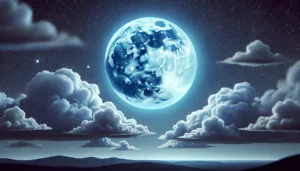
Description: Aegis shines with a steady, pale blue light and is known as the guardian star. It is invoked in protective spells and wards, believed to shield both individuals and entire settlements from harm. When Aegis is high in the sky, it is considered the best time to fortify defenses or to create amulets of protection.

5. Ignis

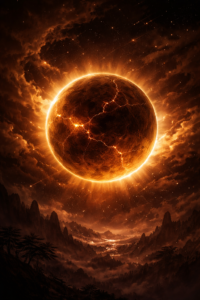
Purpose: The Star of War

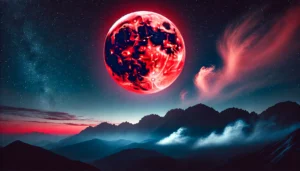
Description: Ignis is a fiery red star that blazes with intensity. It is linked to the aspects of war, strength, and conflict. Warriors and military leaders often seek its favor before battles, believing that its light grants courage and power. During times of war, its presence in the sky is seen as an omen of victory or destruction.

6. Aquilon

Purpose: The Star of the Seas

Description: Aquilon is a bright turquoise star that seems to shimmer like the ocean. It is revered by sailors, fishermen, and anyone who makes their living from the sea. Aquilon is believed to control the tides and currents, and its light is thought to guide ships safely through treacherous waters. Ceremonies to bless voyages are often held when Aquilon is visible.The quintum are known to use this star’s power the most.

7. Umbra

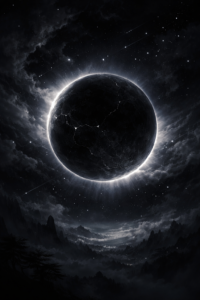
Purpose: The Star of Shadows

Description: Umbra is a dark, almost black star that appears faintly in the sky, often mistaken for a shadow rather than a star. It governs the night, secrecy, and the unseen. Thieves, assassins, and those who operate in the shadows often pray to Umbra for stealth and success. It’s also a star associated with shadow magic and the concealment of truths.

8. Verdantis

Purpose: The Star of Life

Description: Verdantis is a vibrant green star that symbolizes growth, fertility, and the cycle of life. It is particularly important to farmers, druids, and those connected to nature. Verdantis is believed to enhance the growth of crops, the fertility of the land, and the health of living beings. Rituals for bountiful harvests and prosperous births are often conducted under Verdantis.

9. Luminara

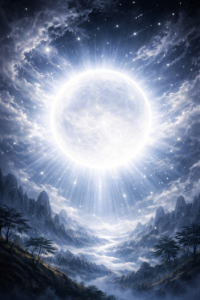
Purpose: The Star of Knowledge

Description: Luminara is a radiant, white star that is a beacon of wisdom and enlightenment. Scholars, sages, and those seeking truth often look to Luminara for guidance. Its light is said to illuminate the path to knowledge, uncovering hidden truths and deep mysteries. Libraries and centers of learning are often aligned to this star, and it is said that reading or studying under its light enhances understanding and insight. This star is a favorite among the medes.

Sign up for my newsletter on the right

Get Curse of Kredaria For Free

Creating Life – By Ralph Ellefson

The Art of World Building Workbook – By Ralph Ellefson

Fantasy World Building: A Guide To Developing Mythic Worlds and Legendary Creatures – By Mark Nelson

Support Me on Patreon

Constellations of Zalonia

Sign up for my newsletter on the right

Get Curse of Kredaria For Free

Support Me on Patreon
 

Astrology was allegedly developed during the Lost Era originally on the 9 constellations and was rediscovered after the 400th year of the First Age. It was put together by various members of the Society of the Lost Realm. Then it was brought to Magdad to help magicians with their magic. There are certain historical events that seems to line up with the position of the stars and planets.

Constellations and months have the same name and are named after backwards Nyanja Words. They move slightly east from the night before. They are typically seen one month at a time. Remember, a month in Zalonia is 40 days. Astrology isn’t as commonly practiced in Zalonia, but the constellations represent the stages of life and follow the years. There are many other constellations, but they aren’t recognized to the same degree. The objects that make up the constellations are not stars, but were put there for the use of magic. They have weak gravity and large volume. They are closer than the stars and rotate in a similar fashion to the planets by going through the sky. They are magical orbs that are not in our universe.

Awdab

This is the first month of the year and the season when life starts to grow back). It is similar to March/April in the northern hemisphere of our world. The symbol of this is a tadpole and seen in the early evening. When this constellation is prominent, magic for new beginnings as at this height. Magic users who work for leaders will often suggest starting a war during this time. Village councils meet together to plan out the new year. Crops are often planted, and individuals begin projects that they want to work on. Medes often have their babies at this time after about 150 days of pregnancy.

Anawbu

This is the second month of the year, and it is when things tend to grow the fastest. This is similar to April/May in the northern hemisphere here. A willow tree symbolizes this. The armies that have started wars will bring in the most recruits during this time. Preparations for war also happen, and magic users will put heavy study into their magic. The snow has melted, and the water is starting to evaporate, making travel easier. Many merchants set up shop around this time for non-food items, mostly.

Uvmah

This is the third month, and growth is still happening, but has slowed a little. May/June for us. This is symbolized by a dandelion. War is likely to start during this time for those places that have tension toward one another. Merchant start selling more food that comes out early. Travel and trading see an increase. Magically, both offensive and defensive magic is strong due to the wars.

Atama

This is the fourth month and the vegetation reaches its full growth. This is symbolized by a growing cat that is full of energy. The constellation appears vaguely as cat whiskers. There is more food in the markets and the traveling remains steady. Magic can be used to help with crop growth, especially in places that are likely to suffer from famines.

Itaka

This is symbolized by a spider where there is a middle star and then it almost looks like eight lines coming off of it. This is usually the warmest month of the year and merchants in the south often have to take shelter and may be more likely to do outdoor selling at night. Magic that is related to heat like fire magic are the strongest at this time.

Amiw

This is shaped like a house because it is known that mature people often have their own houses. Crops are gathering and merchants are in full force as people prepare for the colder months ahead. The leaves start to change color and harvest festivals take place. This is the time for healing magic, as people who have been working may need to heal some of their body after working during the warmer months.

Uluk

This is shaped like a walking staff with some bends to it. Merchants start slowing down and many people have gathered for the colder months. War starts to settle down, especially in the northern areas. There is a lot of rain which slows down travel. Magic is least strong this month so many magicians do inner work so they can improve their magic.

Afmi

The void. There appears to be a hole in the sky with no stars and is shaped like a fluffy cloud. The snow and cold get strong this month and all the leaves fall off the trees. People are indoors now and merchants can only be found in the south. Those who haven’t properly prepared, may go south to gather items. The roads can be dangerous as the winter creatures start to roam the areas. Magic is used for heat and light.

Inastub (kumbutani) Reminisce

This is the time after death when a person reviews their life. This is symbolized by a mirror. There is a cluster of stars that appear to be oval shaped like most of the mirrors used in Zalonia. This is where it is coldest at the beginning of the month. Magicians and others do a lot of self-reflection during this time. They think of how they spent the year and how they could be more productive the next year.

Utawda

The cocoon symbolizes the transformation from death to life. At the beginning of this month, it is the time of the greatest suffering, as people are lacking food and it still isn’t easy to get out. However, there is renewed hope as the sun gets stronger and the snow melts. Plants are about to start to bud. Magic is used to cause the plants to grow better to increase the likelihood of a good harvest. Leaders start to meet together at the end of this month to plan out for the year.


Sign up for my Newsletter Here

Get Curse of Kredaria For Free

Creating Life – By Ralph Ellefson

The Art of World Building Workbook – By Ralph Ellefson

Fantasy World Building: A Guide To Developing Mythic Worlds and Legendary Creatures – By Mark Nelson

Support Me on Patreon


Interstellar Trade and Economics

Sign up for my Newsletter Here

Get Curse of Kredaria for free

Support Me on Patreon

Crafting Interstellar Trade and Economics in Your World

A Guide to Developing Trade Systems That Use Both Magical and

Technological Resources

Whether you’re building a galaxy-spanning empire, a cluster of magic-infused star systems, or a spacefaring fantasy civilization, interstellar trade is the lifeblood of a living universe. Trade and economics add depth, conflict, realism, and opportunity for stories to unfold.

In this guide, we’ll dive into how you can design believable, exciting interstellar economies that incorporate both magical and technological resources, while giving you tools to tie them into the cultures, politics, and tensions of your world.

1. Start With Scarcity: What’s Valuable and Where?

Every trade network begins with scarcity. What do planets or realms lack, and what do others abundantly produce? The gnonows in my world are a high-tech species that isn’t from Zalonia and need purple gems in order to survive on their home planet. Therefore, they manipulate the species of Zalonia to work hard finding these purple gems since they are found all throughout Zalonia. However, this plays into the monetary system of Zalonia, as purple gems are often up for trade even though they aren’t really worth anything in and of themselves. It’s like gold is on our planet. It is only worth the amount that it is sold for; however, the gnonows need it, and they only press down on the population when they are not receiving enough purple gems.

Tech-Based Examples:

A planet with rare hypercrystals that fuel faster-than-light engines. Hypercrystals are found on the original world that the gnonows came from and are used to power their space ships.

You could have a colony with access to superintelligent AI labor, but lacking raw materials. Perhaps they can build computer systems, but don’t have the material needed to create vehicles. Zalonia is lacking in resources that would make it high-tech. If there were a way to do it, the medes would have discovered it with all the research they do.

Another idea is A space station that trades in quantum computing cores made from frozen neutronium.

Magic-Based Examples:

A moon rich in etherium dust, necessary for spellcasting. An alien species called The Elyndor have this in abundance. Fortunately they are not hostile toward the races of Zalonia because magic that comes from their moon is quite powerful. Sometimes they help the people of Zalonia if they are facing a formidable enemy.

A society of mages that exports illusion-weaving silk that can shift shape on command. This can only be found in Zalonia at the school in Magdad unless someone sneaks it out without permission. It can be magic that is difficult to control with even seasoned magicians which is why it is kept within Magdad. People who sneak it out are often after something that will require the use of dangerous magic.

A dying world that trades life-essence potions to extend longevity. Oddly, in Zalonia, a magician will usually live a longer life than others within their species. It is a price they pay for the use of magic since magic use can have a variety of negative effects. They have to live a long time with these effects.
By establishing the unique magical or technological assets of each world, you’re not just creating an economy—you’re crafting relationships, rivalries, and dependencies.

2. Define the Medium of Exchange

Is there a universal currency, or is barter still in play? Do different societies accept different forms of payment—tech credits, magical essence, promissory blood-oaths? In Zalonia there is no universal currency to trade with extraterrestrial races. There is only currency among the inhabitants of Zalonia, and sometimes between seas. However, the primary extraterrestrial race is hostile. However, sometimes they partake in Zalonia’s currencies in order to obtain the purple gems that they depend on. There is also another alien race which is more friendly toward those in Zalonia and will sometimes use Zalonia’s primary currency while visiting.

Some hybrid options:

Aethercoins: Magical currency infused with power, accepted for both spells and trade.

Trade Sigils: Enchanted seals bound to a merchant’s soul that function like digital contracts.

Data-Platinum: A high-density mineral that stores both digital and arcane information, used by hackers and wizards.

Tip: Establish exchange rates and conflicts. Is there inflation in magical currency because a world figured out how to mass-produce enchanted gold? Is tech currency destabilizing old mystic economies?

3. Design Trade Routes and Limitations

Just like the Silk Road or maritime empires, interstellar trade routes are shaped by geography, risk, and bottlenecks.

Think about:

Wormholes or stargates: Who controls them? Are they stable or taxed? The gnonows who are an extraterrestrial species that visit Zalonia carry their purple gems through a wormhole in order to reach their planet, which is in a parallel universe. The process of going through is that it activates the purple gems’ properties to be distributed throughout the atmosphere of their own planet.

Leyline currents through space: Magical pathways only accessible to spell-powered ships. The Myrr are an extraterristial species that visit Zalonia and sometimes bring items from the magical pathways in space in which they are able to travel. There are certain gems that they can access and are worth quite a bit among Zalonians.

Time distortion zones: Regions of space where time passes differently, affecting perishable cargo or aging merchants. In the abandoned city of Ruineneo, there are pockets of energy throughout the city that can transport people and make time go by differently. Sometimes it feels like they are transported to some other world.

These natural and magical features become strategic choke points, breeding grounds for pirates, guild wars, and diplomatic tensions.

4. Mix Magical and Technological Interdependence

The most interesting interstellar economies are ones where magic and tech intersect—and conflict.

A high-tech planet needs mage-powered encryption keys to communicate beyond a light barrier.

A magical society relies on AI navigation systems to chart leyline-safe flight paths. Since the gnonows manipulated people from Zalonia to be on their side, they sometimes will provide landing areas with the technology that the gnonows use, so they don’t have to take as many risks when landing one of their spaceships on Zalonia.

Enchanted bio-hybrids can only be maintained by both technomancers and genetic engineers. In Zalonia, technomancers work secretly with the gnonows who provide them with technology in exchange for fortune-telling. This is a great benefit for the gnonows when helping them prepare for attacks.
Interdependence opens the door for cultural tradeoffs, hybrid professions, and universal guilds or unions with strict codes.

5. Account for Culture, Ethics, and Black Markets

Not all goods are traded equally—or legally.

Questions to explore:

Are soul contracts outlawed in tech-centric systems but openly sold on necromancer planets?

Does a technological society ban sentient spell-creatures as slaves, while others see them as property? There are rumors of a lost age in Zalonia where a race called stiminites were used for slavery by the humans and gnonows. The humans that worked for the gnonows made the stiminites do their work for them.
I

s there an interstellar black market for memory elixirs, forbidden AIs, or divine artifacts? The Soluum, which are an extraterrestrial species in Zalonia, will trade certain elixirs from their home planet with certain people, particularly the medes who want to gain knowledge about it. These elixers have a valuable purpose. During the rule of King Etan, elixirs like this were banned. However, even with the banthe soluum helped out the Zalonian’s who were hoping to overthrow the king.

You can also develop ethics-based trade bans or moral tariffs:

“No planet dealing in cursed relics shall enter the Galactic Pact.” Most alien races that visit Zalonia don’t abide by these kind of laws because Zalonians don’t enforce them, mostly because they are ignorant of other high tech items. They do ban the use of the weapons the gnonows, especially during the Great Battle of the Fourth Age when the gnonows try to overtake Zalonia.

“Trade of artificially evolved sentient species is forbidden.”

These cultural value systems affect diplomacy, war, and internal rebellion. What happens when a colony trades illegal dream-dust to survive?

6. Who Controls the Flow? (And Who Tries to Stop It)

Behind every robust trade system is power—and those who want to manipulate it.

Potential power structures:

Trade Consortiums that operate across empires with their own private fleets. There are sometimes humans from Zalonia who the gnonows allow to use their guns in order to fight on their side. However, they are very careful who they choose because they don’t want their guns getting into the hands of spies.

Arcane Banking Houses that tie spells to credit lines and magically enforce interest.

Smuggler Guilds that use invisible ley paths and cloaked AI drones.
Guild Arbiters—neutral zones where even warring nations must honor trade law.

There generally isn’t too much intergalactic space trade in Zalonia because they are a low-tech area, and aliens are relatively rare, with the exception of the gnonows in the Great Battle of the Fourth Age. During this time, aliens that are on the side of Zalonians will trade items for spells or other items.

7. Logistics Magic and Sci-Fi Workhorses

Don’t forget to address how goods move.

Is there teleportation-based freight? Maybe it’s expensive, limited, or dangerous for living cargo. Sometimes the mysterious portals in Zalonia are used for trade, especially if they create a shortcut to a far-off land. Zalonia is riddled with these kinds of portals.

Are goods stored in pocket dimensions or data-beads? The Soul Chaser, who often inhabits Ruinoneo, sometimes hides things in pocket dimensions within the city. Ruinoneo is a great abandoned city, cursed with magic that kills almost anything that enters.

Are space freighters infused with sentient navigation spirits that negotiate their own routes? There are alien races in my world that partake in this, like the Thaless alien race. When a thaless dies, it becomes a spirit that still helps out with the living thaless to help power their ships.

Are there magic-proof containers to prevent cursed items from leaking? The elves in Zalonia can make a magic-proof container, but it requires drawing blood from their hand in order to make it magic-proof. This is because elven blood is immune to magic.
By thinking through shipping infrastructure, you add realism and opportunities for sabotage, theft, or disaster.

8. Conflict Breeds Story

Trade isn’t just a backdrop—it can drive entire plotlines:

A diplomatic crisis when a magical substance goes missing during a trade exchange.

A rebellion on a planet that’s been economically strangled by a tech monopoly.
A merchant-turned-hero smuggling illegal life-saving potions to a plague-ridden colony. During the reign of King Etan, there was a lot of smuggling that took place in Zalonia to help those in need. King Etan was a tyrannical ruler during the Second Age, and he made many trade routes illegal unless they served his purposes of taking over all of Zalonia.

A war ignited when two empires fought for control over a ley-crossing that only opens once a century.

When trade affects lives, culture, and survival, it becomes a powerful storytelling engine.

Final Thoughts: Make It Dynamic

Economies shift. Planets collapse. New discoveries disrupt entire industries.

Let your interstellar economy evolve in your world:

What happens when teleportation becomes cheap?

How do people react to the collapse of a trade monopoly?

How does inflation affect spell prices across systems?

Can technology “out-magick” the magicians—or vice versa? In Zalonia, it is pretty evenly matched with it comes to the gnonows and their technology against the inhabitants of Zalonia, especially the magicians. However, this leaves the elves at a severe disadvantage because they aren’t able to use magic, and while they are immune to magic, they aren’t immune to high-tech weapons. This is part of the reason they avoid the Great Battle of the Fourth Age.

Trade isn’t static—it’s a breathing, pulsing force that binds your galaxy together or tears it apart.

Sign up for my Newsletter Here

Get Curse of Kredaria for free

Support Me on Patreon

Creating Life – By Ralph Ellefson

The Art of World Building Workbook – By Ralph Ellefson

Fantasy World Building: A Guide To Developing Mythic Worlds and Legendary Creatures – By Mark Nelson